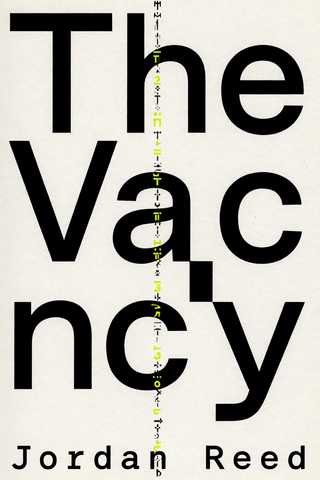
Read a preview
Chapter 1
Chapter One: Fire on the Overpass
We burned the trash for light because the daylight didn’t reach under the overpass. Smoke climbed the concrete ribs like a sick vine, stirring the loons that had made nests in the hollowed cars stacked along the median. Kit had just come back from the north ramp with two rusted cans and a grin that didn’t belong on anyone who’d barely seen sixteen.
“Fuel,” Kit said, tapping one can with a finger cracked from cold. “And this one’s coffee, maybe. Or paint.”
Rowan Ives tugged his scarf down and leaned in. He had a mechanic’s stare: every piece had to fit, or it bothered him. He pried open the lid, sniffed, and made a face. “Paint,” he muttered. “Still good for marking. Where’s our quiet friend?”
Quill didn’t answer questions so much as fail to show up at the right time, like a shadow that had opinions. Now he slid out from between two cars, the fire stroking the edges of a face that didn’t tell you anything. “Southward,” Quill said. “We move before the tide changes.”
Dr. Sera Anwar rolled her duffel closer to the heat. Her hands were always clean, as if she scrubbed at ghosts no one else saw. She had the kind of eyes that tracked each breath, seeing failures before they had a chance to happen. “You keep talking about tides,” she said to Quill. “There’s no water near here.”
“People flood,” Quill said. “You’ll see.”
We ate, such as it was. A swallow of sweetened rainwater, a handful of smoked rat. Kit slung on their coil of copper wire like jewelry and tucked the paint under one arm. Rowan checked the straps of his pack twice, the third time out of habit. Sera tilted her head toward the sound beyond the overpass. A chorus of boots up on the road deck. Voices, close enough to steal your breath.
“You were right,” she told Quill.
“I often am,” Quill said, but he blinked, the only sign that he didn’t like being right about this.
We doused the fire and crept through ribs of concrete and rust. The overpass trembled as a convoy passed overhead—patched bikes, a van with a grill welded to the front, a lorry with a prow like a ship. The Chain Kings wore chains not as armor but as sound: a percussion of intent that said the same thing over and over. Ours.
Rowan glanced down the slope toward the bushes, toward a path fried to nothing by summer scorch. He nodded once, and we angled that way. The Kings were moving east, toward the riverbed, but the overpass descended into their shadow.
“We need cover,” Sera whispered.
We had a sudden surplus of it when the truck above us exploded.
The light punched through cracks. A rain of bolts, a scream of shredded steel. The world froze, then ran.
Quill didn’t flinch. “That’s the tide,” he said. “Now.”
And we went.